

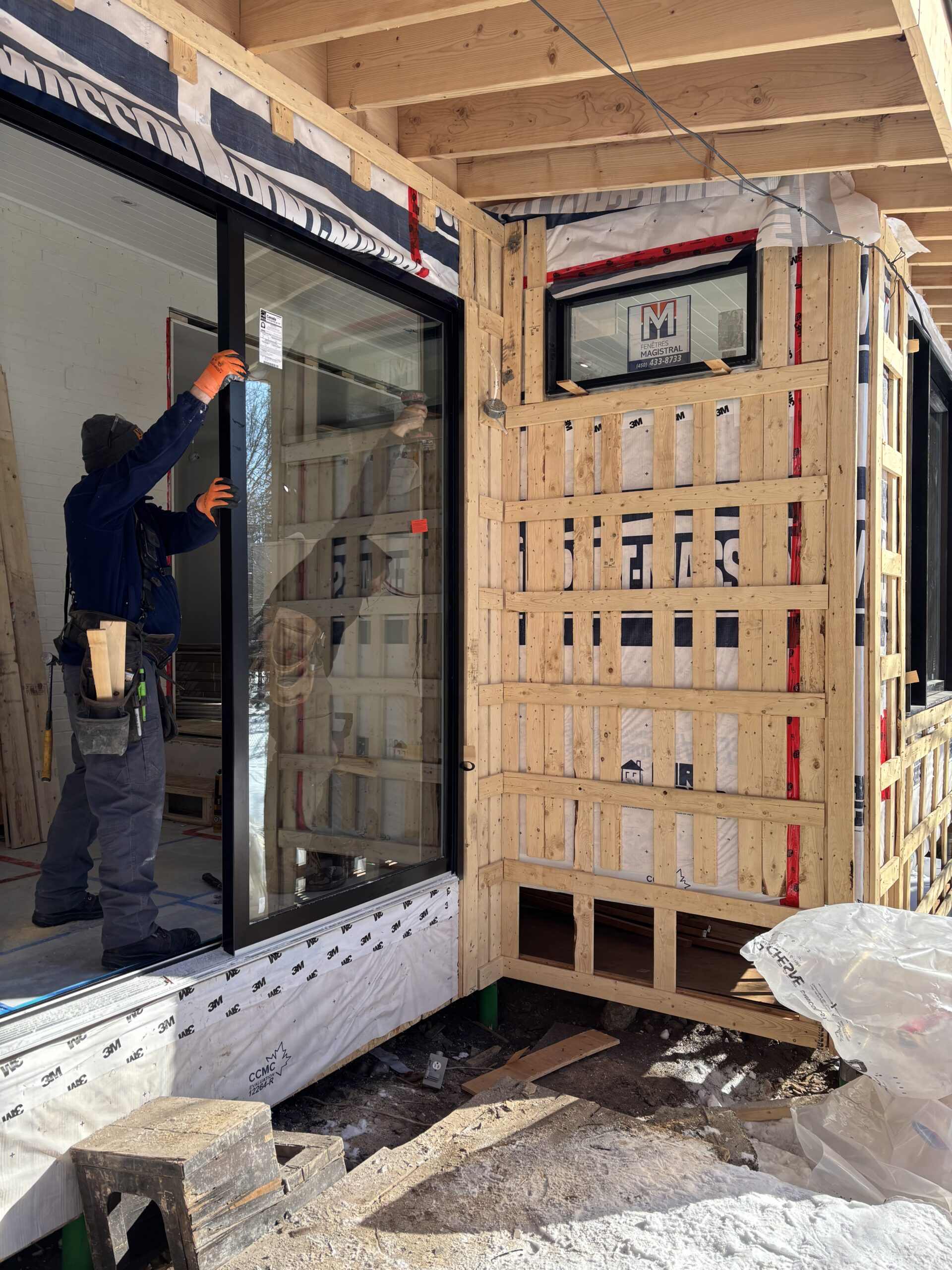
A project that runs smoothly rarely starts on the day the work begins.
Most of the challenges, delays, and cost overruns originate upstream, in decisions made, or not made, before the first demolition even begins.
At Rubix, we see it project after project: a well-prepared construction site is a smoother, more predictable, and much less stressful experience for clients.
Here are the key decisions to make before the project begins… and those we strongly recommend avoiding once the work has started.
1. Clarify the project before discussing price
Before requesting bids, it is essential to clearly define the project:
- actual needs (expansion, reconfiguration, complete renovation, etc.)
- the constraints of the existing building
- long-term objectives (use, durability, resale value)
Without this clarity, the prices received are rarely comparable and often unrealistic.
A reliable budget is based on a precise understanding of the project, not on a rough estimate.
To be avoided during construction: constantly adjusting the scope of work because the project was not clearly defined at the outset.
2. Invest in planning (plans, studies, feasibility)
Plans, engineering, soil studies, technical validations: these steps may seem long or costly, but above all they enable:
- anticipate technical constraints
- to choose the right construction methods
- to avoid improvisation on the construction site
A construction site is not the place to “discover” major issues.
To be avoided during construction: making structural or technical decisions under pressure once work has begun.
3. Set a realistic (and acceptable) budget
A budget must be aligned with:
- the actual scope of the project
- current standards
- the desired quality of execution
Trying to “fit” a complex project into an unrealistic budget often leads to costly compromises later on: rework, forced changes, or frustration.
To be avoided during construction: cutting back on essential items to make up for a budget that was poorly estimated at the outset.
4. Choose the right partner, not just the lowest price
A general contractor is not just an executor. Their role also includes:
- structure the project
- coordinate stakeholders
- anticipate risks
- protect the customer throughout the project
A more detailed bid may seem higher, but it often reflects a better understanding of the project… and fewer surprises.
5. Accept that changes along the way have an impact
Even with excellent planning, some adjustments may be necessary.
But it is important to understand that a change during construction almost always has an impact:
- on costs
- on the schedule
- on team coordination
Avoid: making multiple last-minute decisions thinking that they will have no consequences.
In conclusion
A successful project relies much less on improvisation than on preparation.
Decisions made before work begins directly influence the quality of execution, adherence to budget, and overall project experience.
At Construction Rubix, we firmly believe that a good construction project starts with asking the right questions at the right time.
Do you have a project in mind and are wondering if you’re ready to get started? It’s often before the project begins that we can help you the most.